On the way from Thessaloniki to Meteora we made a stop in Vergina. We parked our car at one of the parking lots where we paid 1,5 euro. We walked towards the entrance of the Royal Tombs, and stopped at one of the small cafés to have a drink and use the toilet. I had a fresh pomegranate juice.
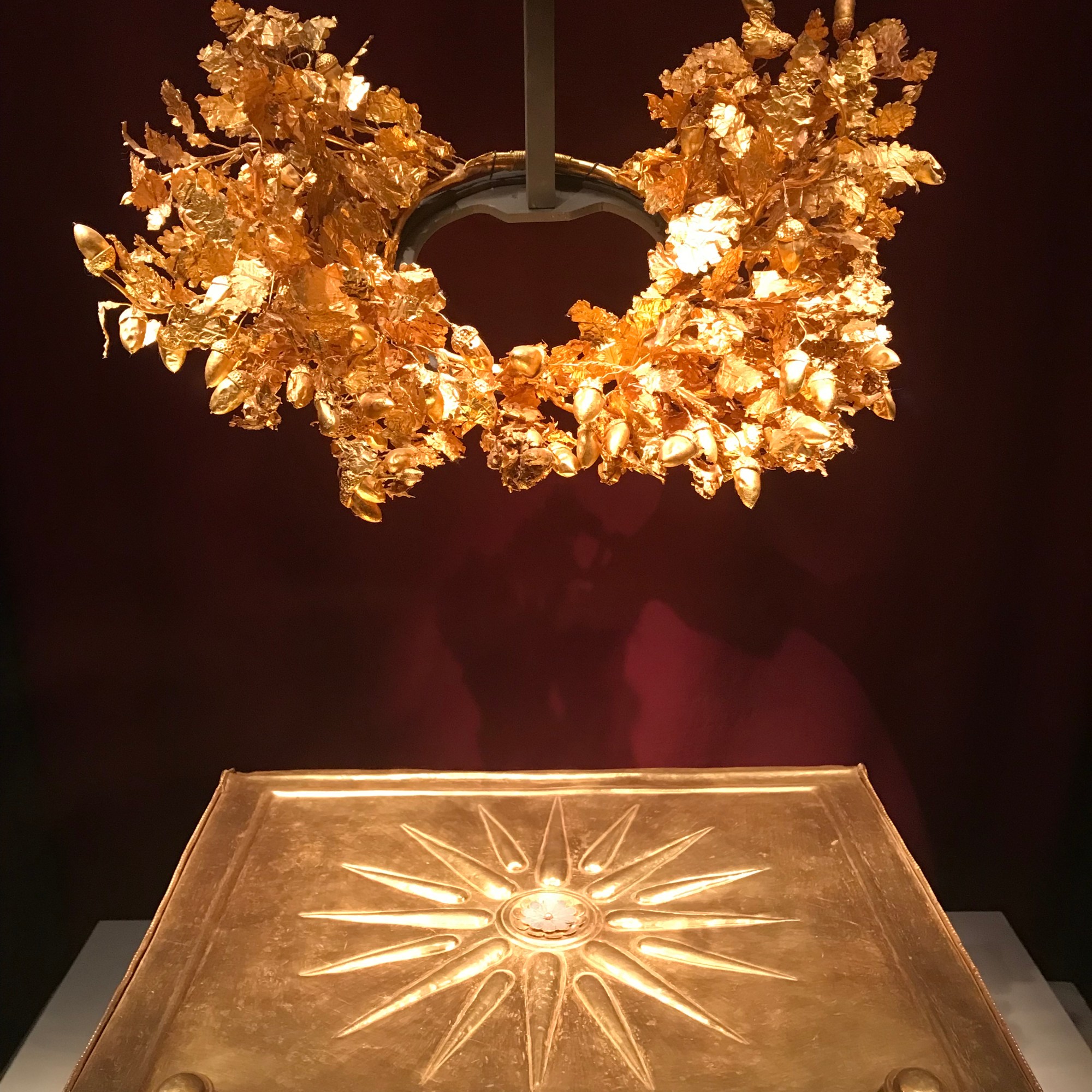
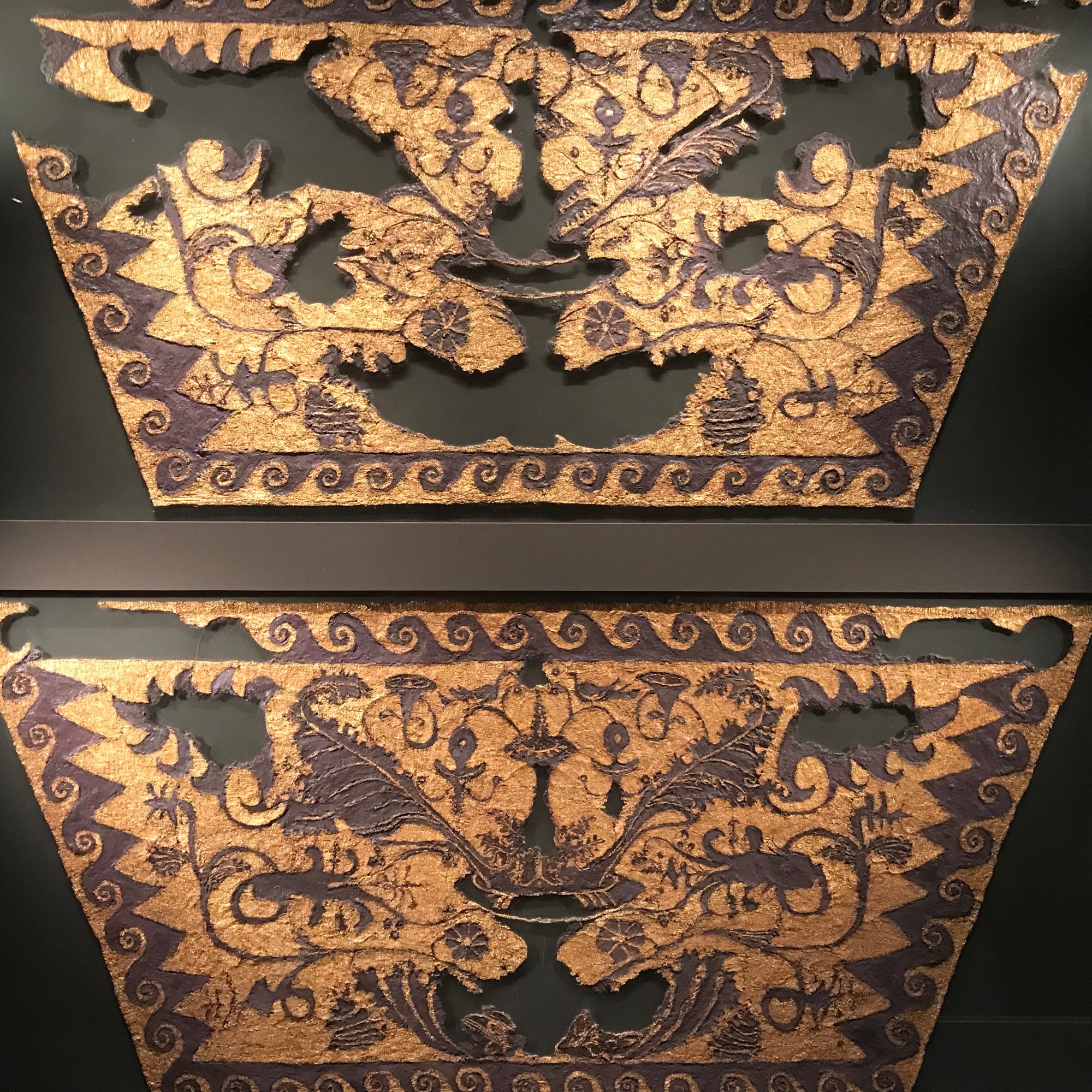
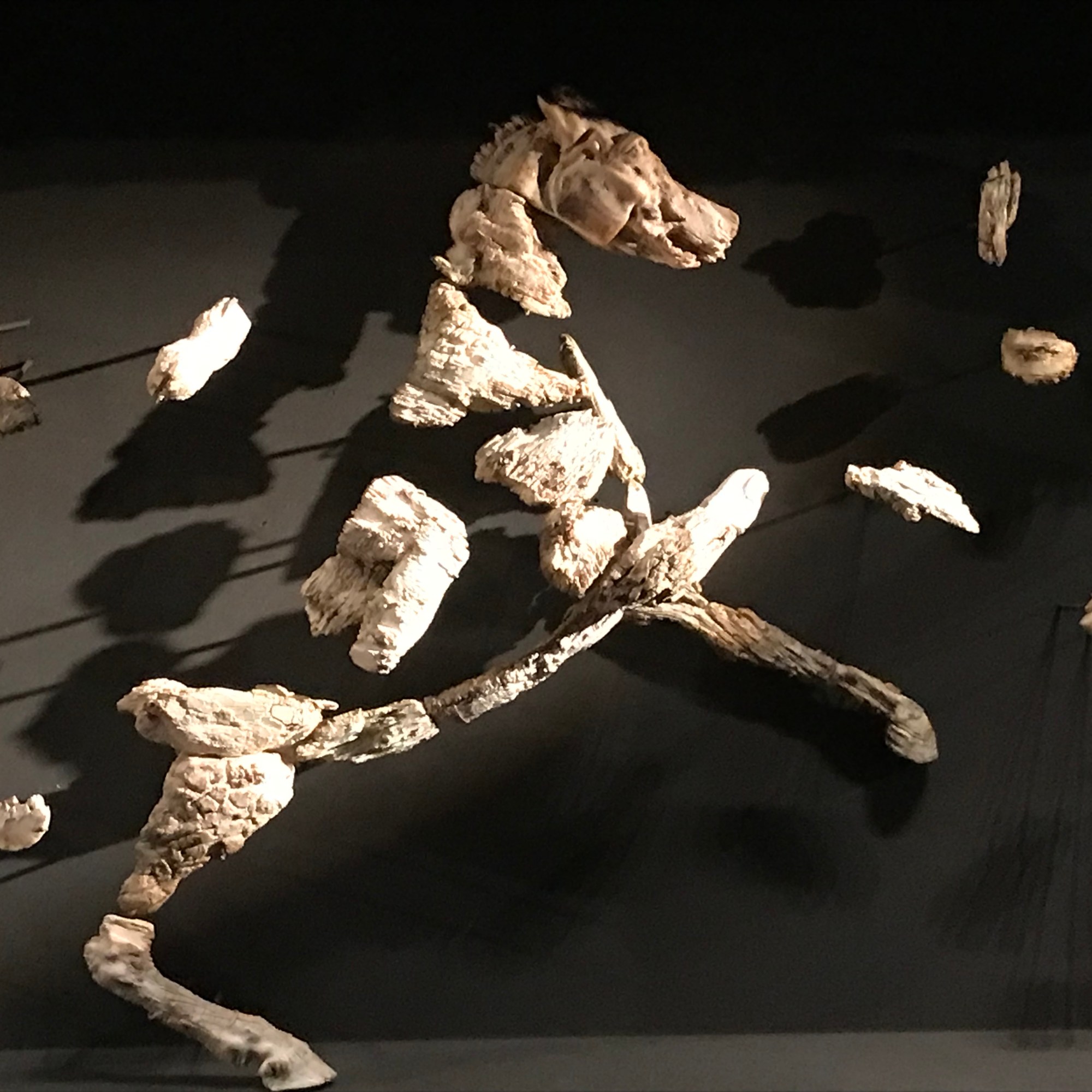
The entrance is 15 euro per person and gives entrance to both museums, the museum of the Royal Tombs and the Polycentric museum of Aigai just outside of Vergina. The site of of the Royal Tombs of Vergina is really outstanding. The museum is built inside the burial tumulus, dating back to 350 BC when Aigai was the Royal Macedonia capital under the rule of Philip II, father of Alexander the Great and later the burial place for many Macedonian kings. Philip II was at the age of around 45, assassinated, cremated and buried here. He was at that time together with his last wife, Cleopatra, with whom he had a young child. The site was unearthed in 1977 by professor Manolis Andronikos. He found four tombs, the first two had been looted, but the last two were found intact, and belonged to Philip II and his grandson Alexander IV, son of Alexander the Great, also murdered in adolescence. Inside the tombs numerous treasures were found, luxurious gold, silver, ivory, bronze and iron objects of personal, ceremonial or utilitarian purpose, traces of richly decorated textiles, burned sacrificial foodstuffs and the bones of both kings.
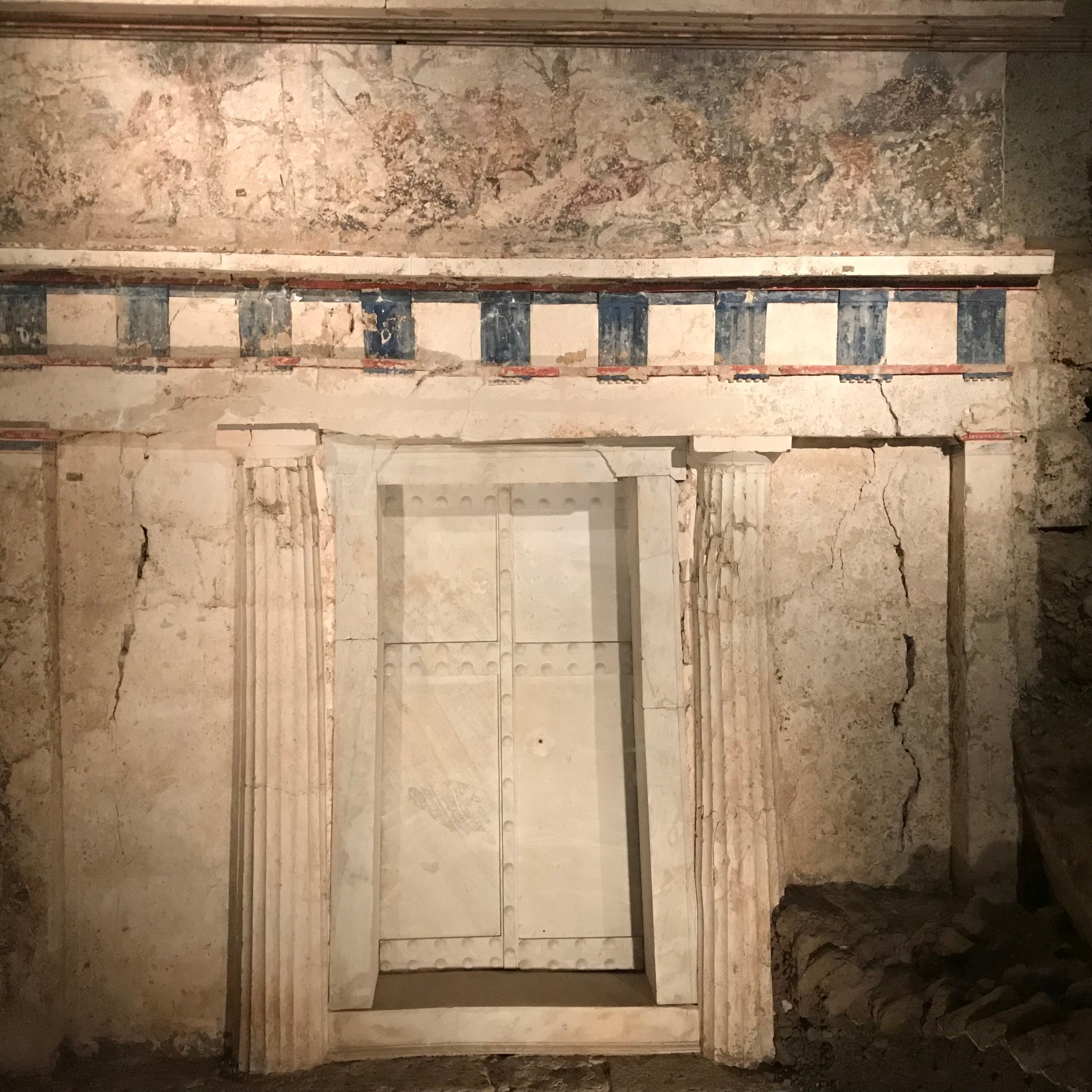


The entrance of both tombs can be admired behind glass, and in the museum among the many treasures on display you find the sarcophagus, a gold ossuary, gold leaf wreaths, Philips’ complete suit of armour, his shield, helmet, royal diadem, all kinds of plates and vessels for a banquet, and in the antechamber a second gold chest containing the bones of a woman, that have been attributed to Meda, the king’s sixth, Thracian wife.
We had a light lunch with a Greek salad, some sweet peppers and bread.
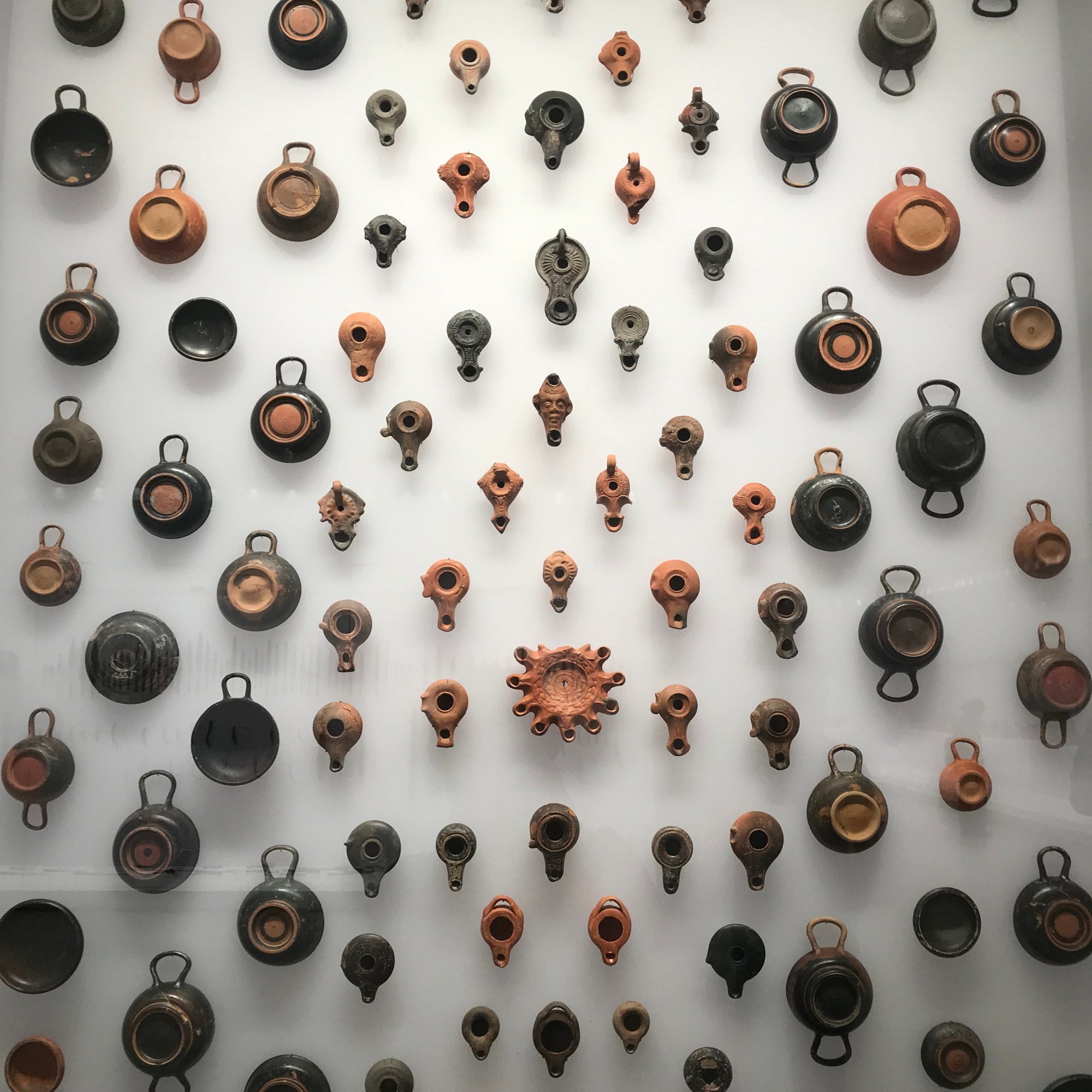
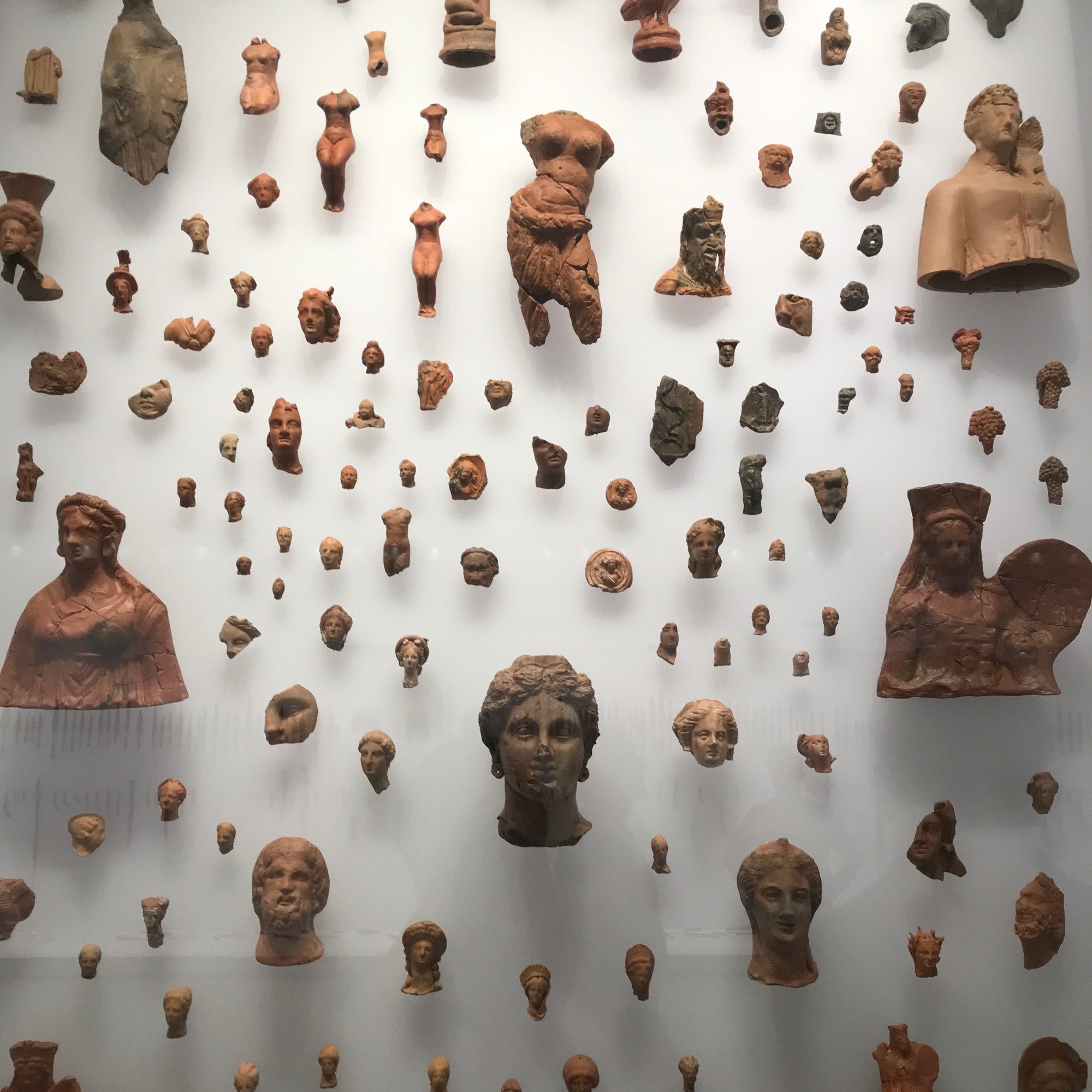


The entrance ticket also gives entrance to the beautiful laid out Polycentric museum, that revolves around the life and achievements of Alexander the Great, holds a reconstruction of the upper floor of the palace in Vergina constructed under Philips’ reign. A third and fourth room show statues and illuminate the life of ancient Aigai.
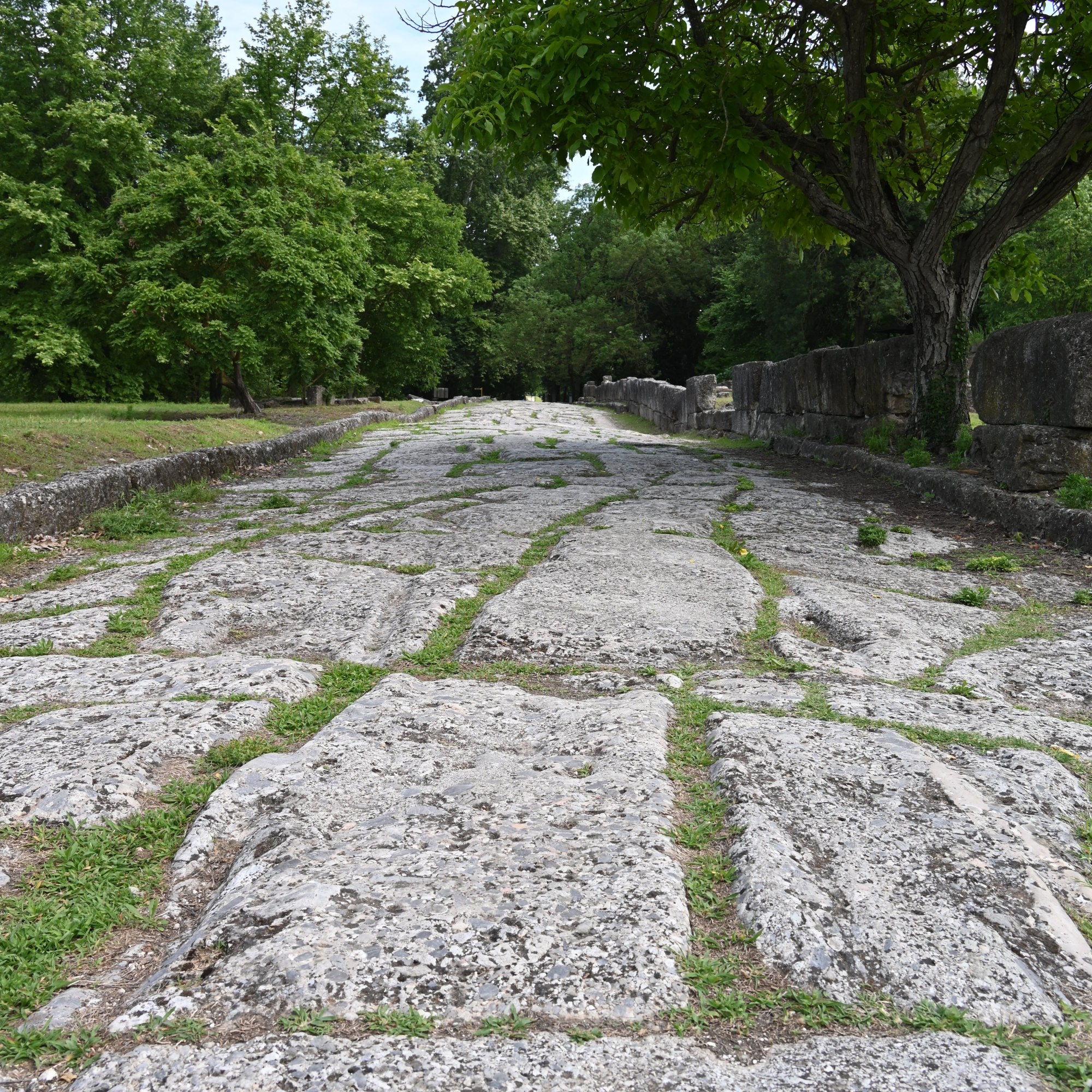


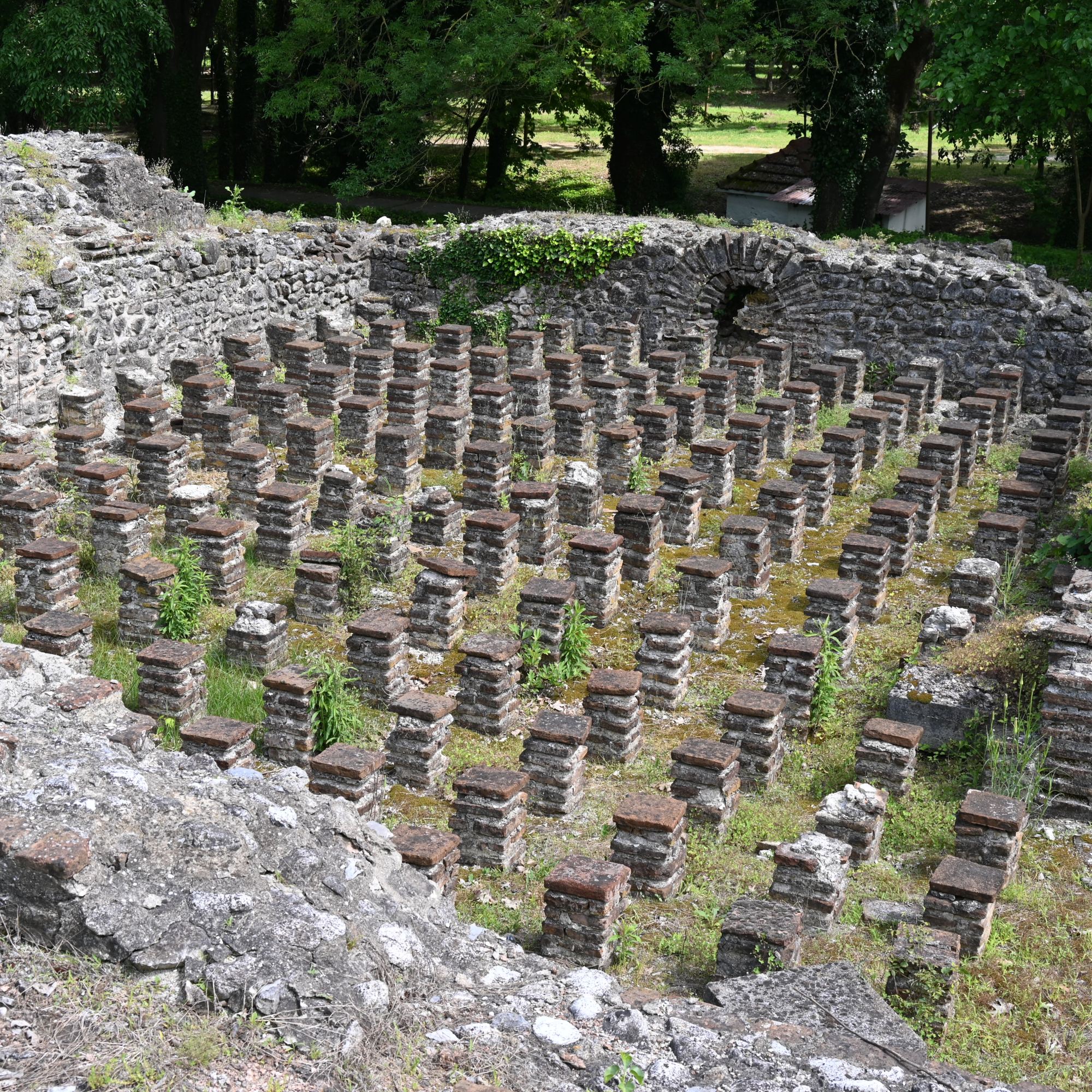
On our way back from Meteora we decided to make a stop in Dion to visit the archeological park there. The entrance of 8 euro covers the park and the Archeological museum in Dion, but since we didn’t have time for both, we paid 4 euro to visit the park only. The park is divided in two parts, on the left side the ruins of an old Roman city, the thermae, the baths, an early Christian church and the palace or villa of Dionysos. The mosaic floor of the villa can be seen in the museum. The Roman Forum was built on top of the Hellenistic Greece agora. Here they also found the oldest bronze water organ or hydraulis. The old Roman ramparts are still standing. The park is still in the process of being excavated further, and still holds many things to be unearthed. The finds and most mosaics are being exhibited in the museum which we unfortunately couldn’t visit. Dion was already a very important city during the Macedonian period 400 BC, when king Philip II and Alexander the Great came here to make sacrifices to Zeus, believed to live on mount Olympus that towers over Dion, before their military campaigns, and to celebrate their victories afterwards. On the right side of the park you find the sanctuaries and theatre for which we had to skip due since we hadn’t enough time.
Another stop if you have more time and want to make a walk would be to drive to Litochoro or Prionia from where you can make a walk. From the Prionia parking you take the E4 trail, you cross a wooden bridge with beautiful views of Mount Olympus, further on you can take a left to the Epinea waterfall, and 20 minutes further on the E4 you come across Agis Spilaio where Saint Dionysus lived as an ascetic and where you can visit the Agios Dionysios Monastery (1542), after which you return to Prionia via the E4. The trail is 6 km long and takes 2 hours to complete.
Both Vergina and Dion make for perfect day trips from Thessaloniki.
Link to blog about Thessaloniki.
Link to blog about Meteora.
 chefmaison