Visit
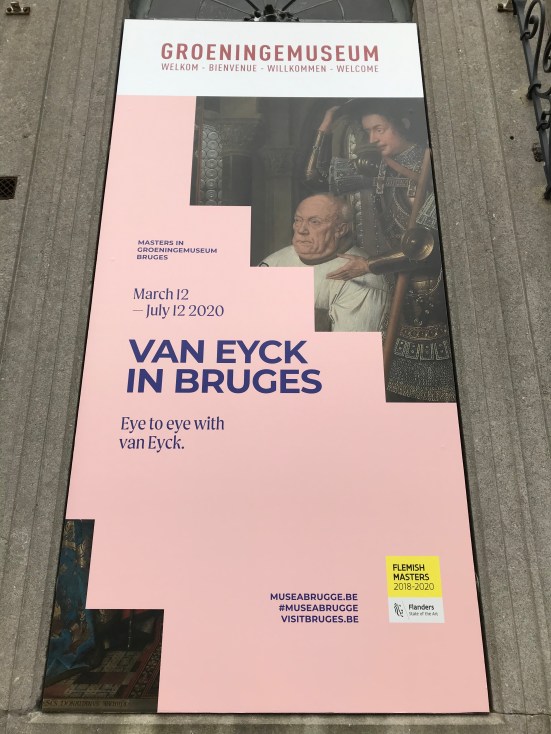

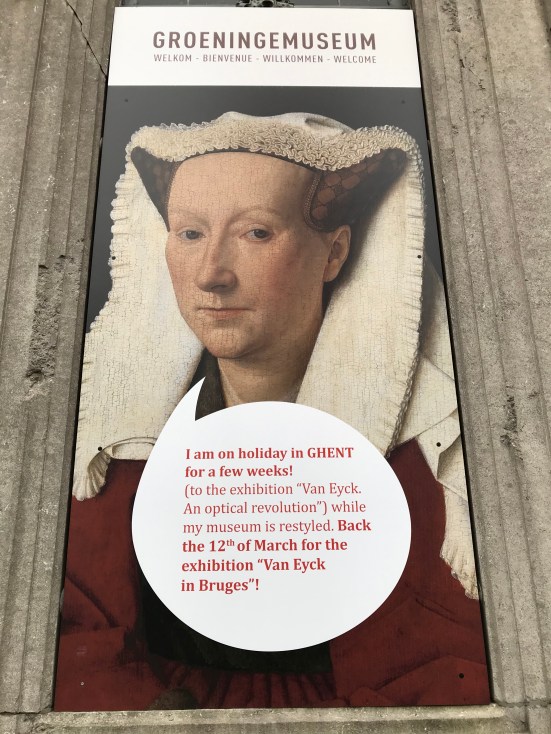
The Groeningemuseum, the museum of fine arts of Bruges, shows six centuries of Belgian visual arts. From the famous Flemish primitive painters, over the international renowned 19th century neo-classicist painters and Flemish expressionists, to the famous 20th century Belgian modernist artists.
But the main draw for many visitors is its collection of works by the Flemish primitive painters or early Dutch painters, who in the 15th and 16th century lived and worked in the then New York of the Middle Ages, Bruges.
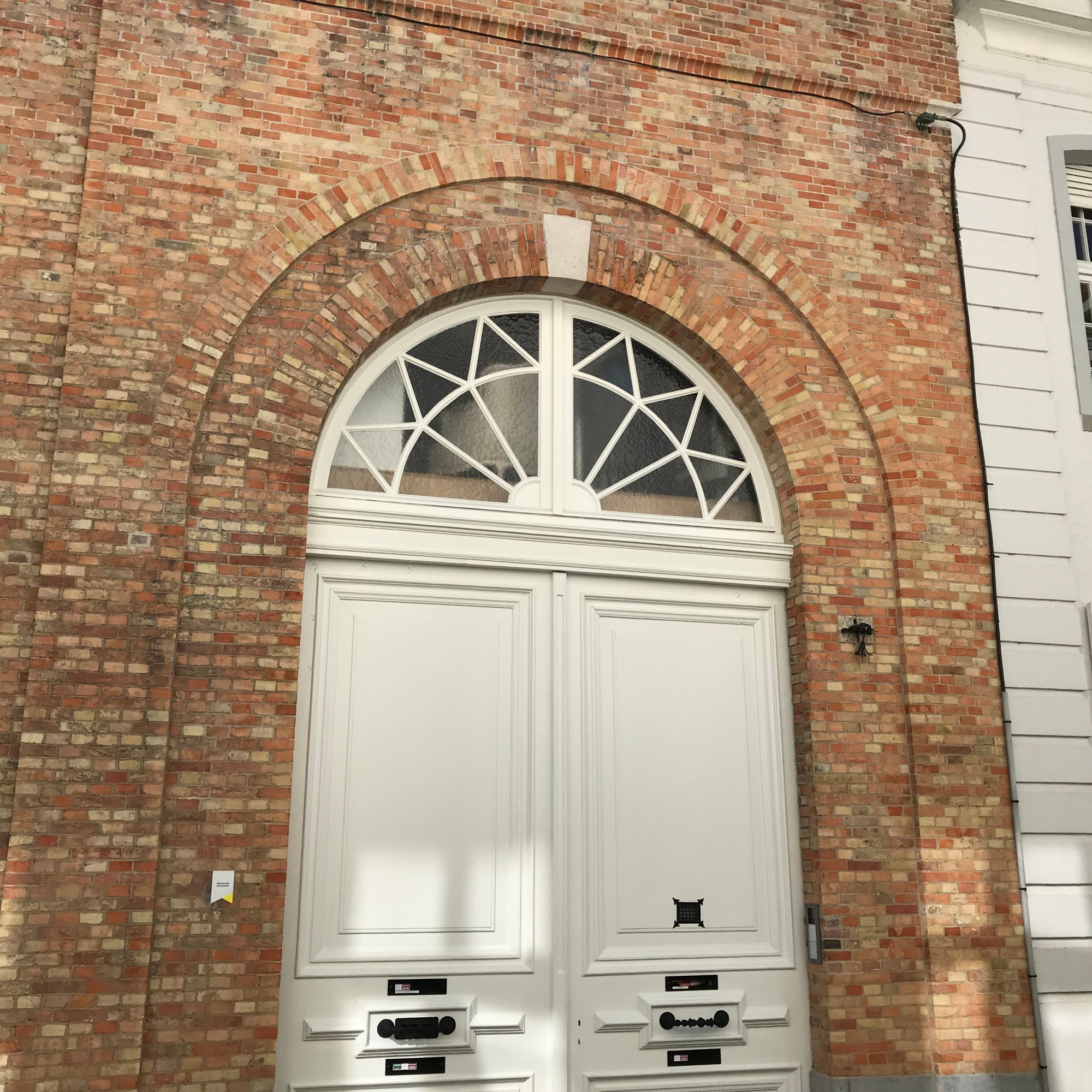


The most renowned painter among them is without a doubt, Jan van Eyck. Van Eyck lived in Bruges from 1425-1430 until his death in 1441. His house has been identified at the Gouden Handstraat number 6 in Bruges next to the canal the Gouden Handrei. Although he lived in the Saint-Giles quarter, he was buried in the ducal Saint-Donations cathedral. His grave disappeared when the church was demolished during the French Revolution at the end of the 18th century. Two important works by Jan van Eyck and Hans Memling, were taken by the French at the time of the French Revolution to Paris. These works were taken out of churches and abbeys that were abolished by the French revolutionaries but returned after Napoleon was defeated at Waterloo.
Why were they called the primitive painters, since there was nothing primitive about their work? When in the 19th century they re-discovered the Flemish art of the late middle ages is was called the Flemish primitive school, to describe an innovative style of paintings with distinctive stylistic characteristics used by painters in the 15th and 16th century here in the North of Europe, where we had a vibrant artistic scene, a style very different from the painters in the South. Another name was Renaissance of the North, as opposed to Italian Renaissance, or Early Netherlandish or Dutch painting, a title that covers the load much better. The name will be widely used after a large exhibition here in Bruges in 1902 with the title ‘The Flemish primitives’, where more than 400 works from the 15th and early 16th century were seen by 35000 visitors.

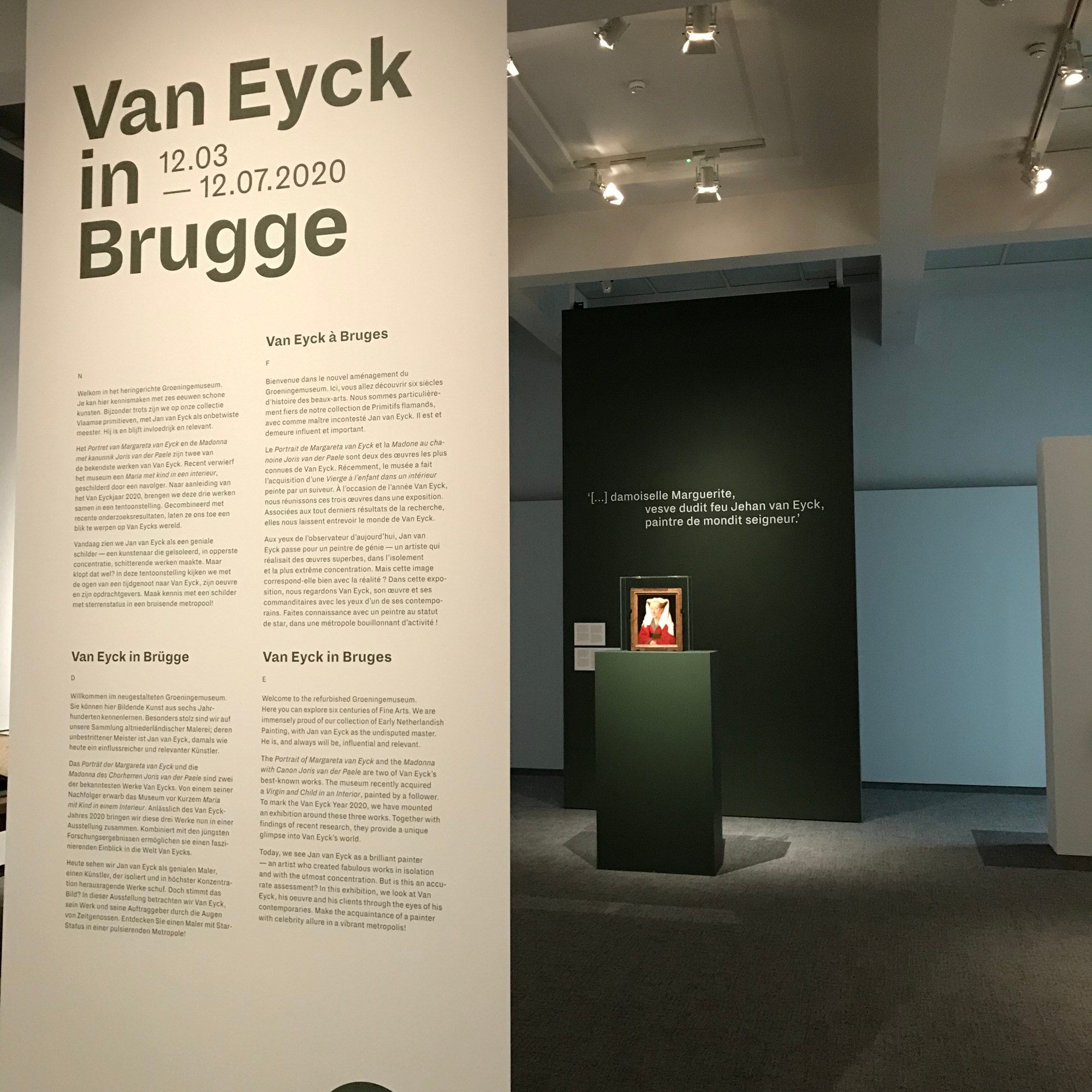
In 2020, Belgium organized a Jan van Eyck year, with two important exhibitions, one in the MSK in Ghent, which had to close prematurely due to corona. A second exhibition was organized here in Bruges, in the Groeningemuseum, which also had to close three days after opening, but which luckily re-opened in May of the same year and was extended till September.
Already in the 15th century Jan van Eyck was hailed as a great talent. Van Eyck was the court painter for the Burgundian duke Philip the Good. In Bruges Van Eyck could paint for many other wealthy customers, no doubt an important reason why the painter moved to Bruges. The brightness of his colors, the hyperrealistic way he painted textiles and textures and the amount of detail was and still is astonishing. He perfected the composition of oil paint and thus created unparalleled color effects.
The museum owns two paintings by Jan van Eyck, the single largest painting, ‘Madonna with Canon Joris Van der Paele’ and ‘The portrait Margareta’, Jan van Eyck’s wife, whom he married when moving to Bruges. Both paintings are preserved inside their original frames, both on which the painter wrote text, identifying the characters on the painting, and as a kind of signature, so that today we are 100% sure these are painted by the master himself!
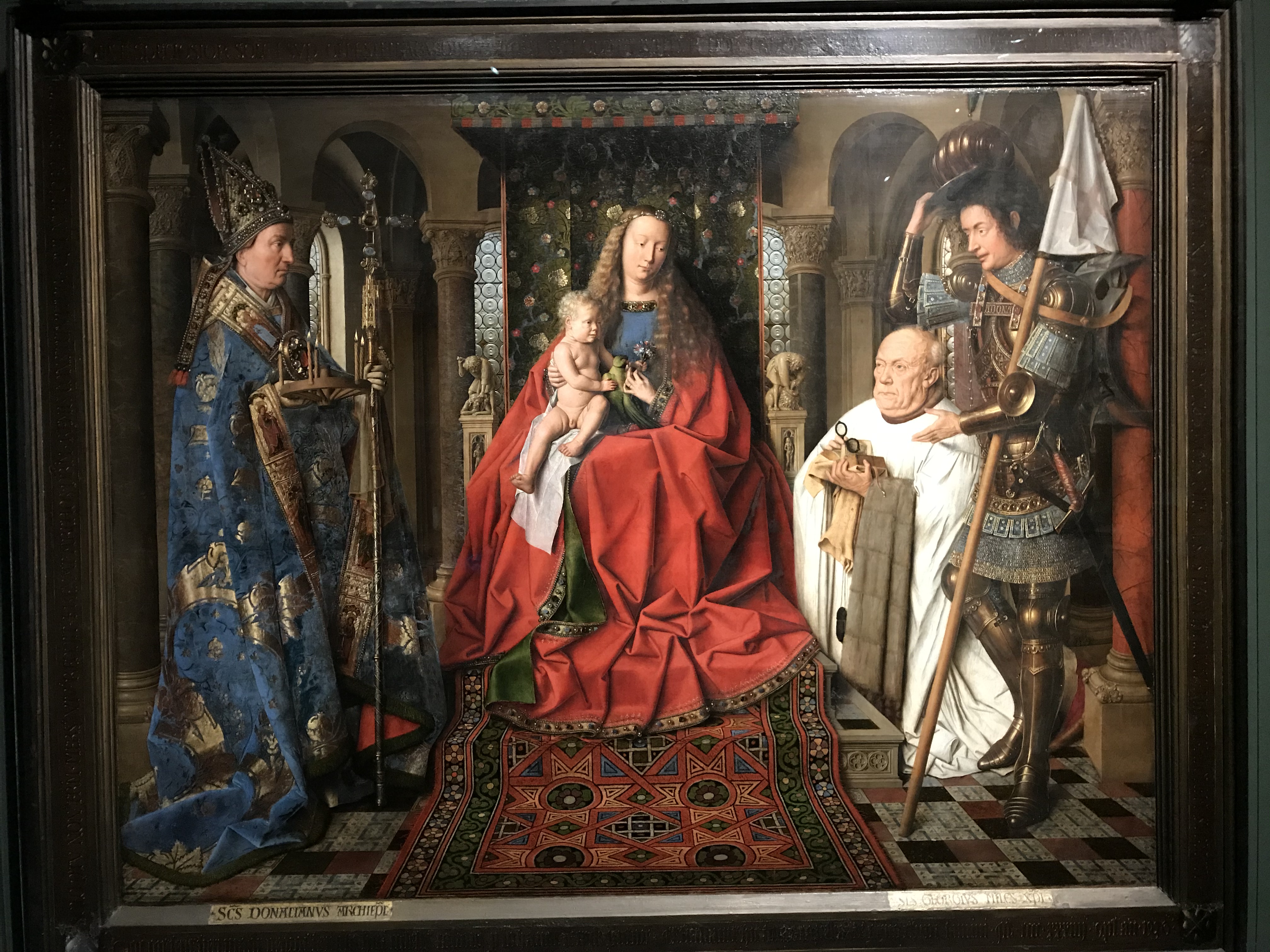
In front of the large painting ‘Madonna with canon Joris van der Paele’, the museum placed a comfortable bench, to lean back and enjoy or study the painting. The painting is made on 5 oak panels put together to create this large painting.
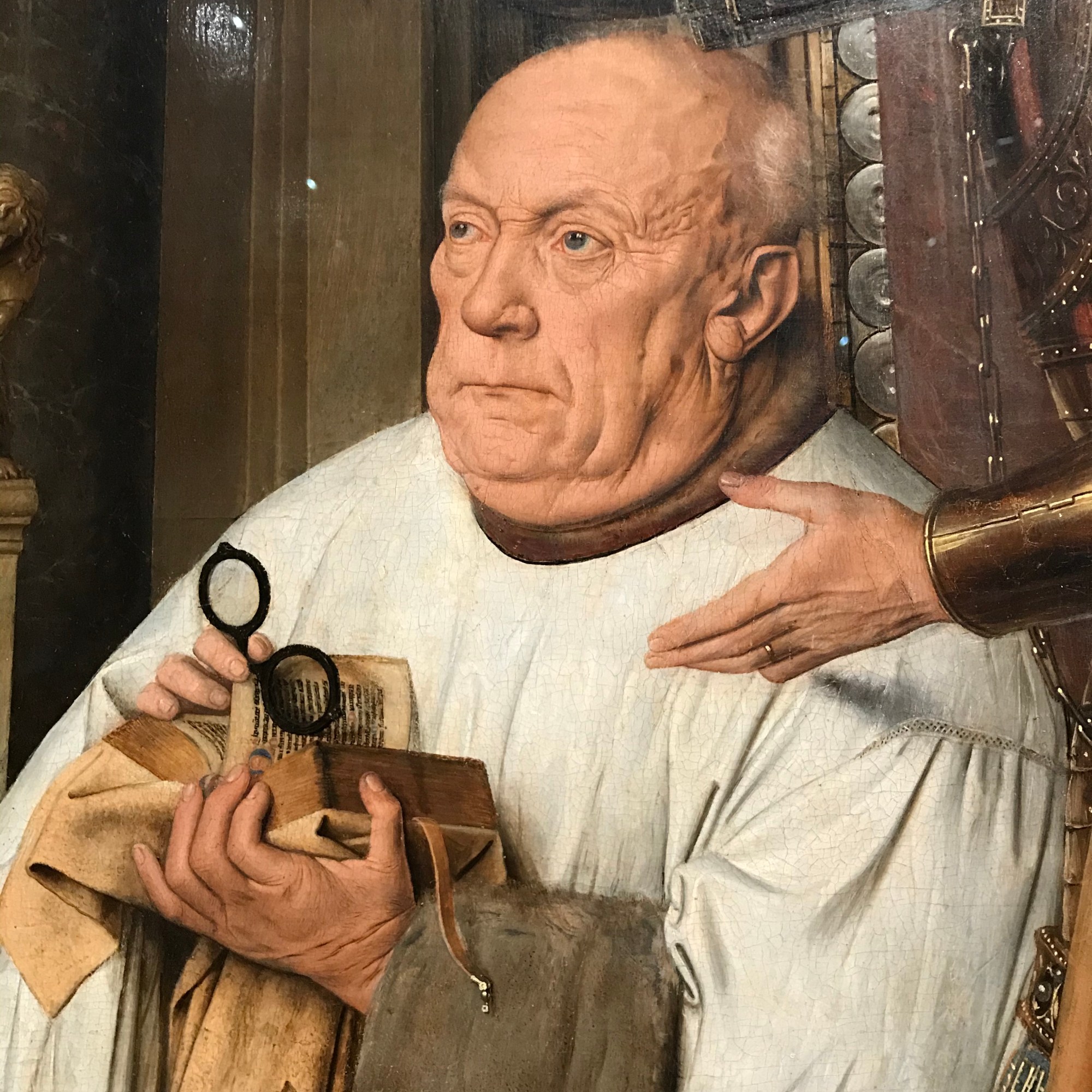

The painting was commissioned by Canon Joris Van der Paele, who worked closely with the Pope in Rome at a time when the catholic church was facing some turbulent times, and Europa had two popes. He came from a reputed Bruges family of brokers. He paid a large sum of money to have himself painted for eternity before he died. The memorial painting was meant for the Saint-Donations church where he was a canon and advisor to the Burgundian dukes, and where he will be buried. The painting is like a showcase of luxury goods; tiles from Spain, a handmade Middle-Eastern carpet, gold brocate, pearls, gems, fur, crystal glass, expensive texiltes and manuscripts.
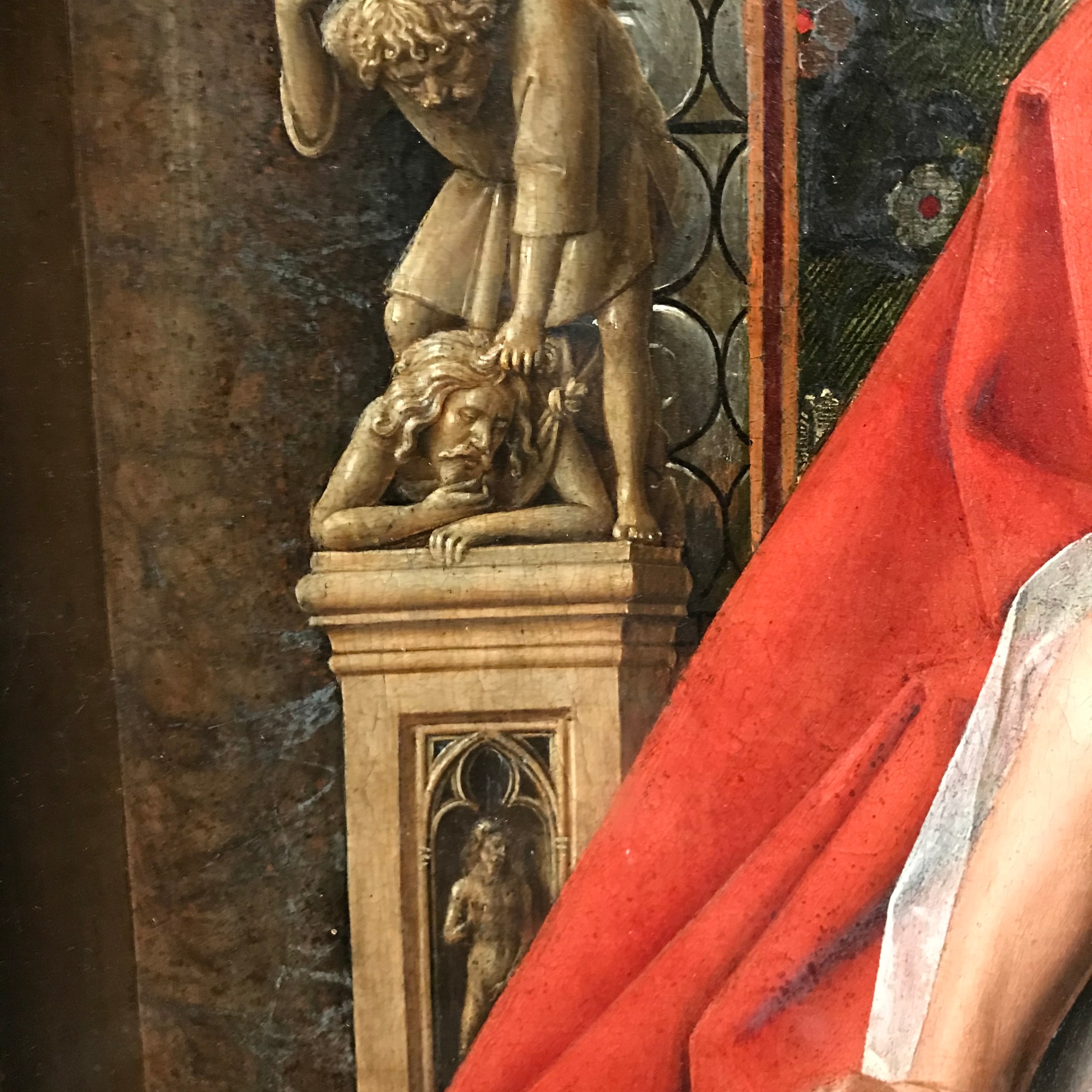
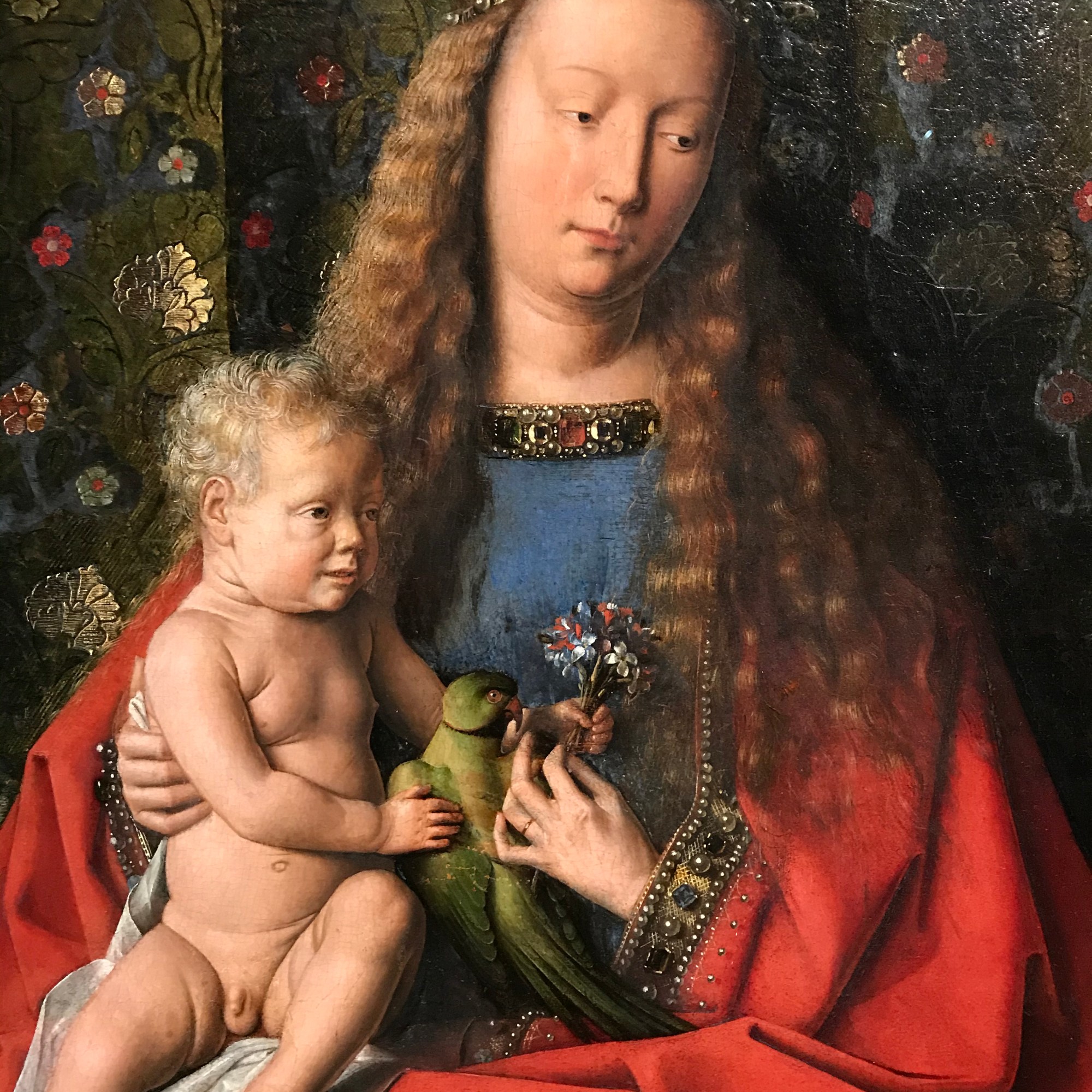
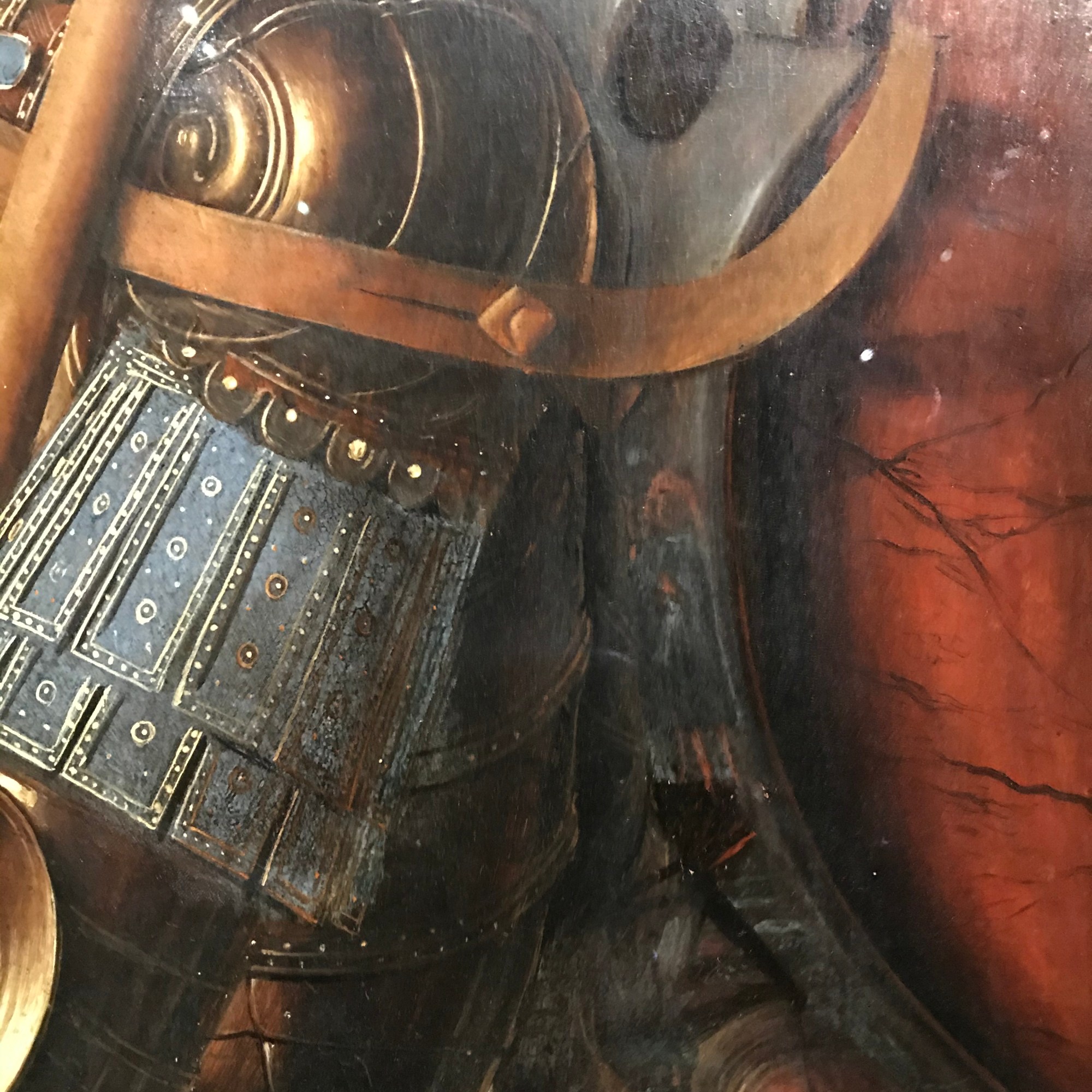
The painting is packed with symbolic meaning. Jezus sits on Mary who forms his throne, symbolizing the altar, her clothes are painted in a deep red and blue, precious colors in medieval times. She holds flowers that refer to her purity and virginity, and to the passion of christ. The child holds a parrot, a bird owned by the pope and a bird that can speak, symbolizing the spreading of the word of god. The multiple references to Jezus’ death can be linked to the fact that the canon was dying, and with this painting he wanted to be sure of a place in heaven. The child looks old, has the face of an old man and grey hair, symbolising Christs’ wisdom. The recurring colours red white and blue are the heraldic colours of Bruges and also the Marial colors. Van Eyck even painted a reflection of himself on the armor of Saint George, the patron saint of the canon.


The portret of Margareta, his wife, painted in 1439, was quite unique at the time because only nobles and royals had their portraits painted in the 15th century. In this exhibition you can also see the back of the panel which Van Eyck decorated with red marbling. On the frame we see the inscription ‘My husband Johannes completed me’. There was possibly once a now lost self-portrait of the painter that served as a pendant to this one and was meant for the chapel of the guild of Saint Luke, the guild of the painters.

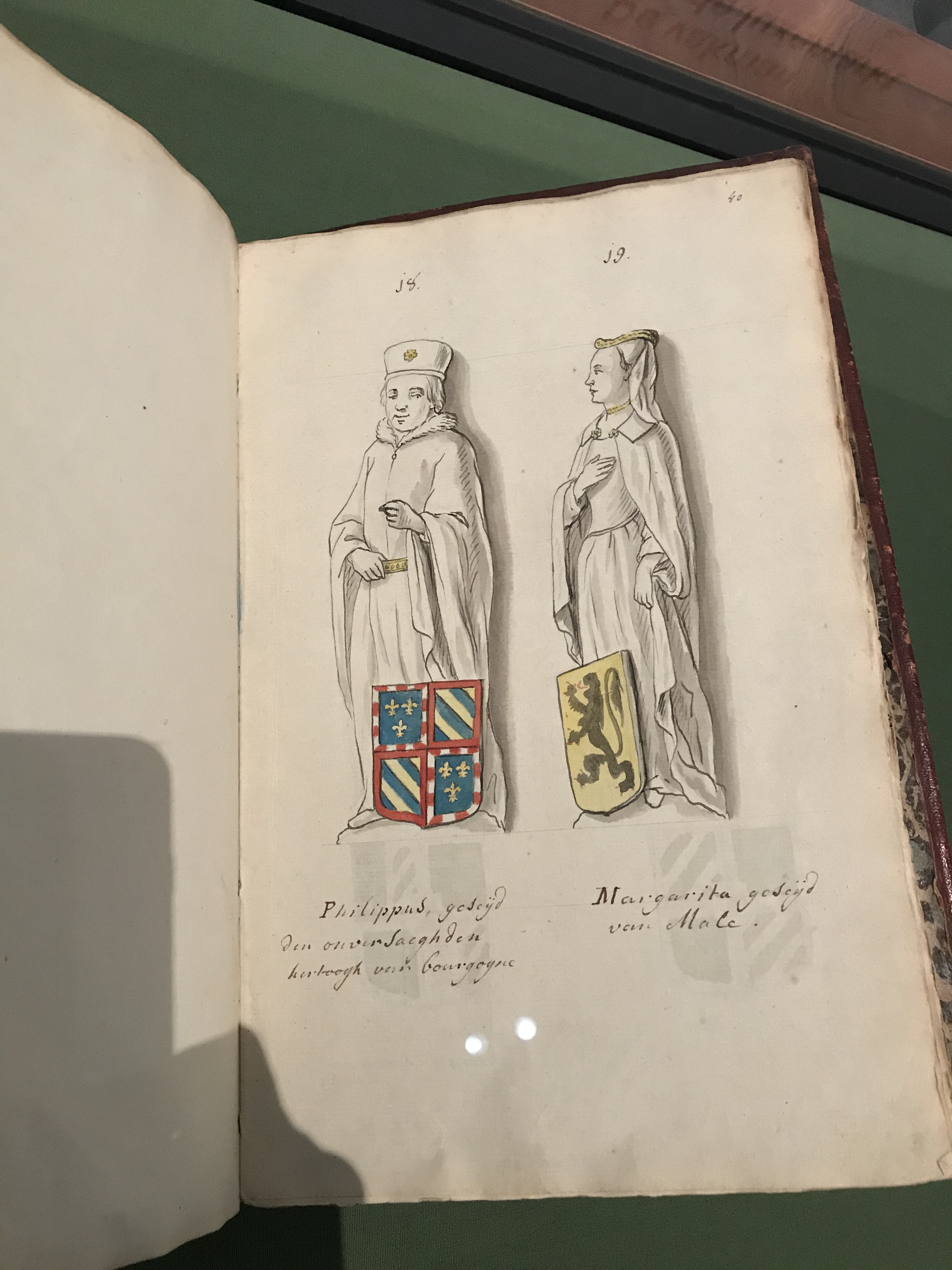
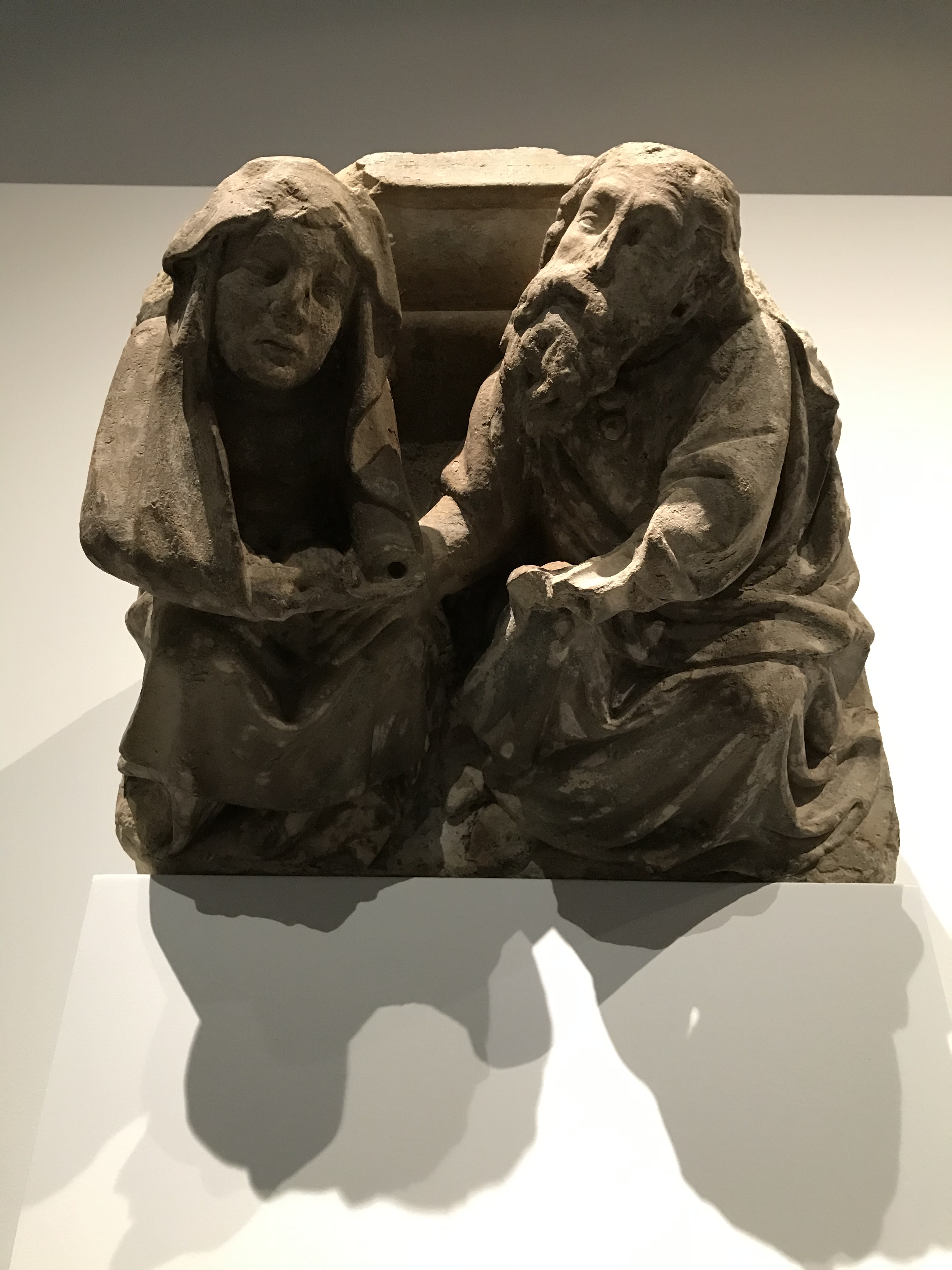
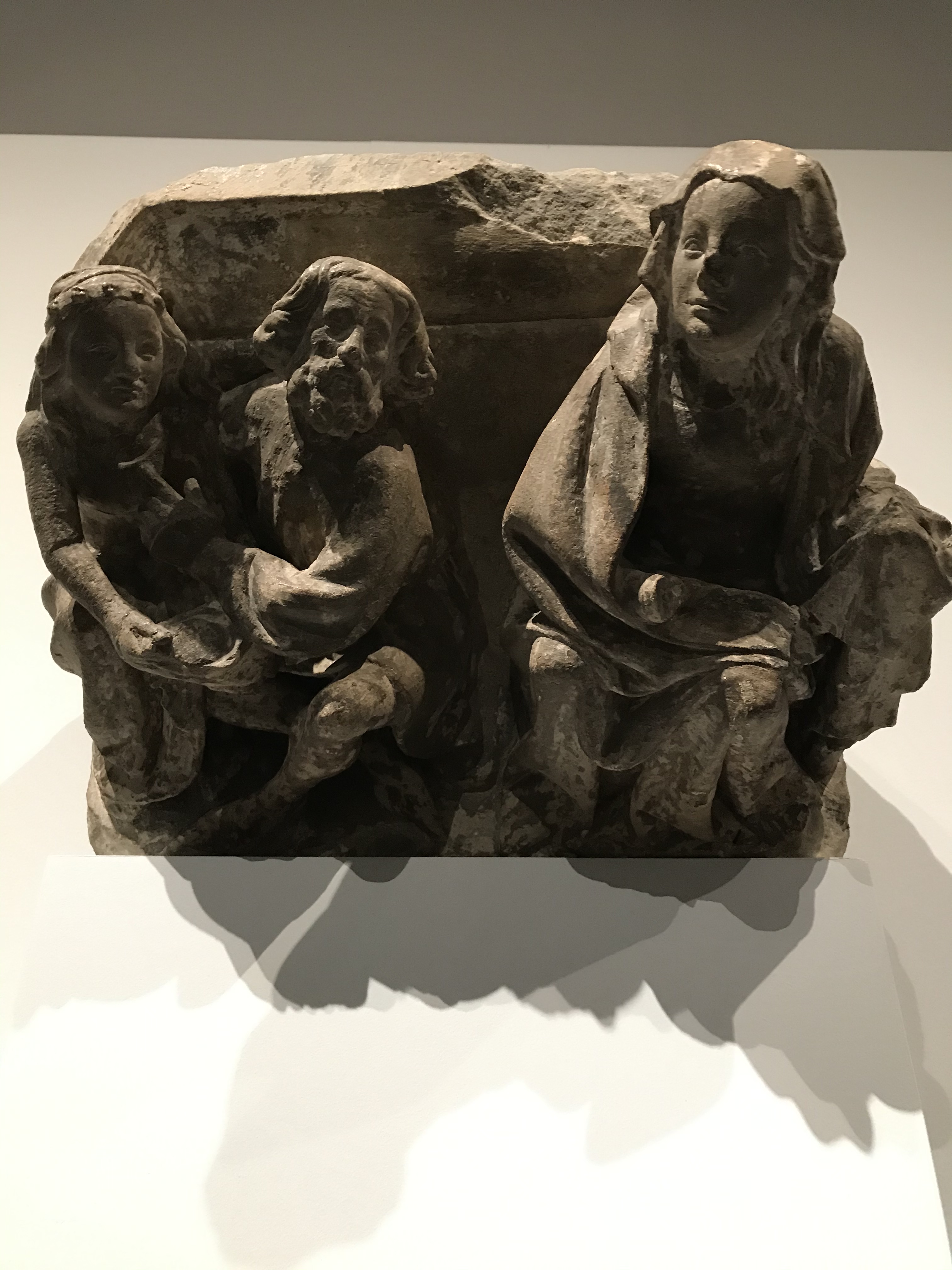
A third anonymous painting from around 1450 recently acquired by the museum is on also on show. Madonna with child is contributed to the Van Eyck workshop or to a follower of Jan van Eyck. We notice a lot of resemblence with paintings by Van Eyck. The brocade patterns, Mary’s head with wavy hair, the blue dress beneath a red cloack, the throne, the folds of Mary’s cloack. The painter must have had access to Jan van Eyck’s model drawings. Van Eyck not only painted on panels, he gilded and polychromed (painted) for instance six statues on the facade of the city hall in Bruges.
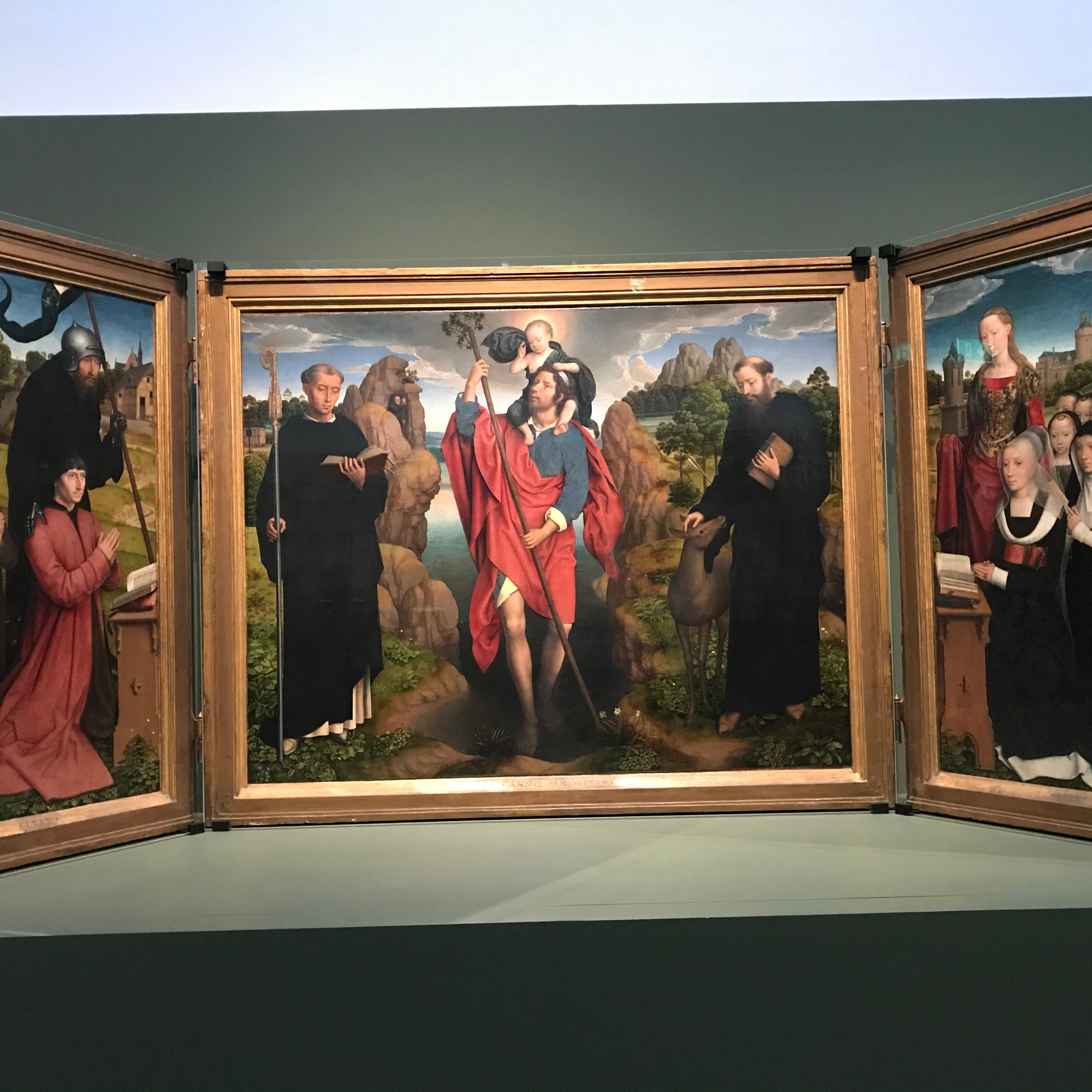


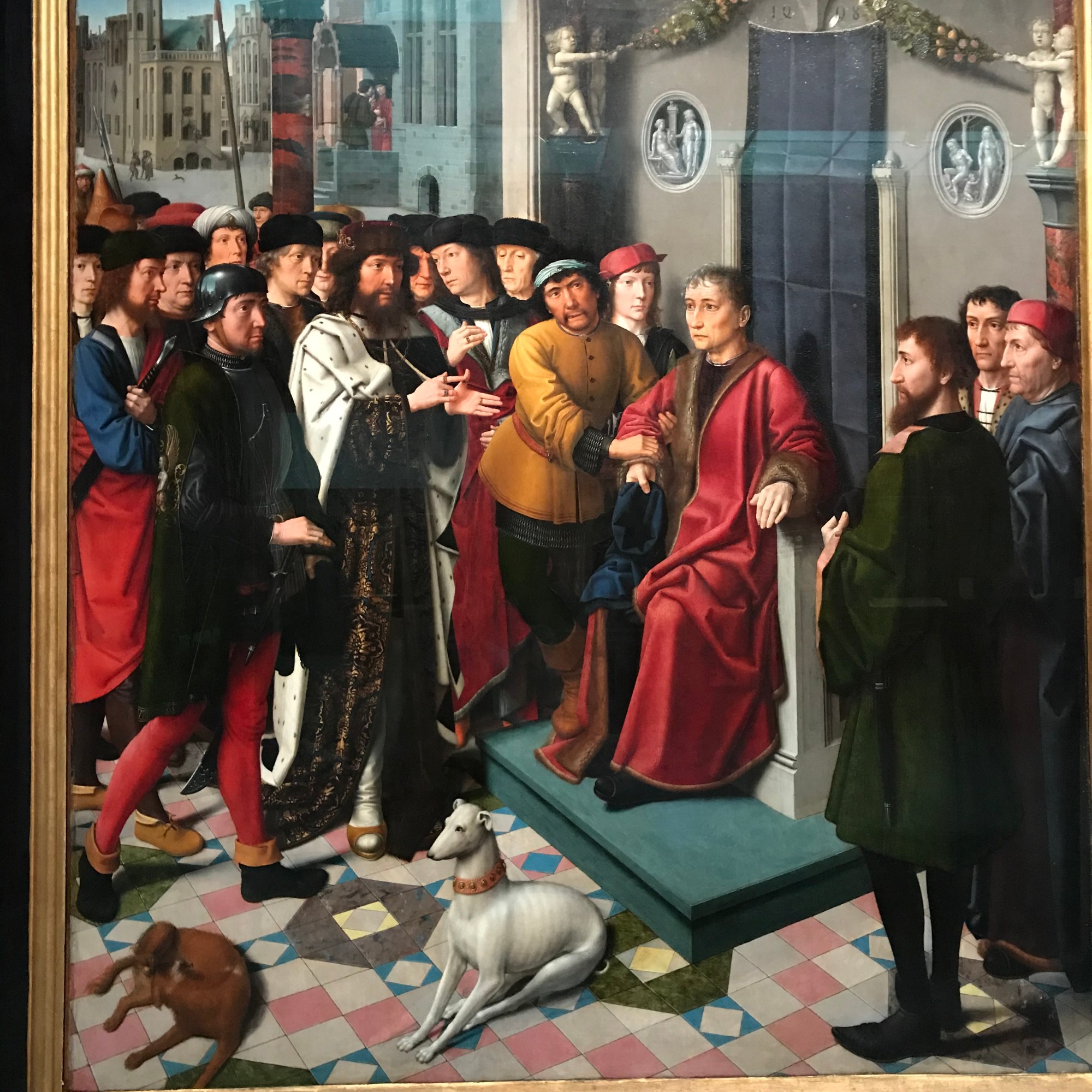
The following rooms are dedicated to the other Flemish Primitive painters Hans Memling, the anonymous painters ‘Master of the legend of Saint Ursula’ and ‘Master of the legend of Saint Lucy’, Jan Provoost and Gerard David. The museum has some very important and beautiful works of these painters in its collection like ‘The Annunciation’ and the ‘Moreel Triptych’ by Hans Memling and the ‘Judgement of Cambyses’ by Gerard David. Musea Brugge owns the second largest collections of paintings by Hans Memling.
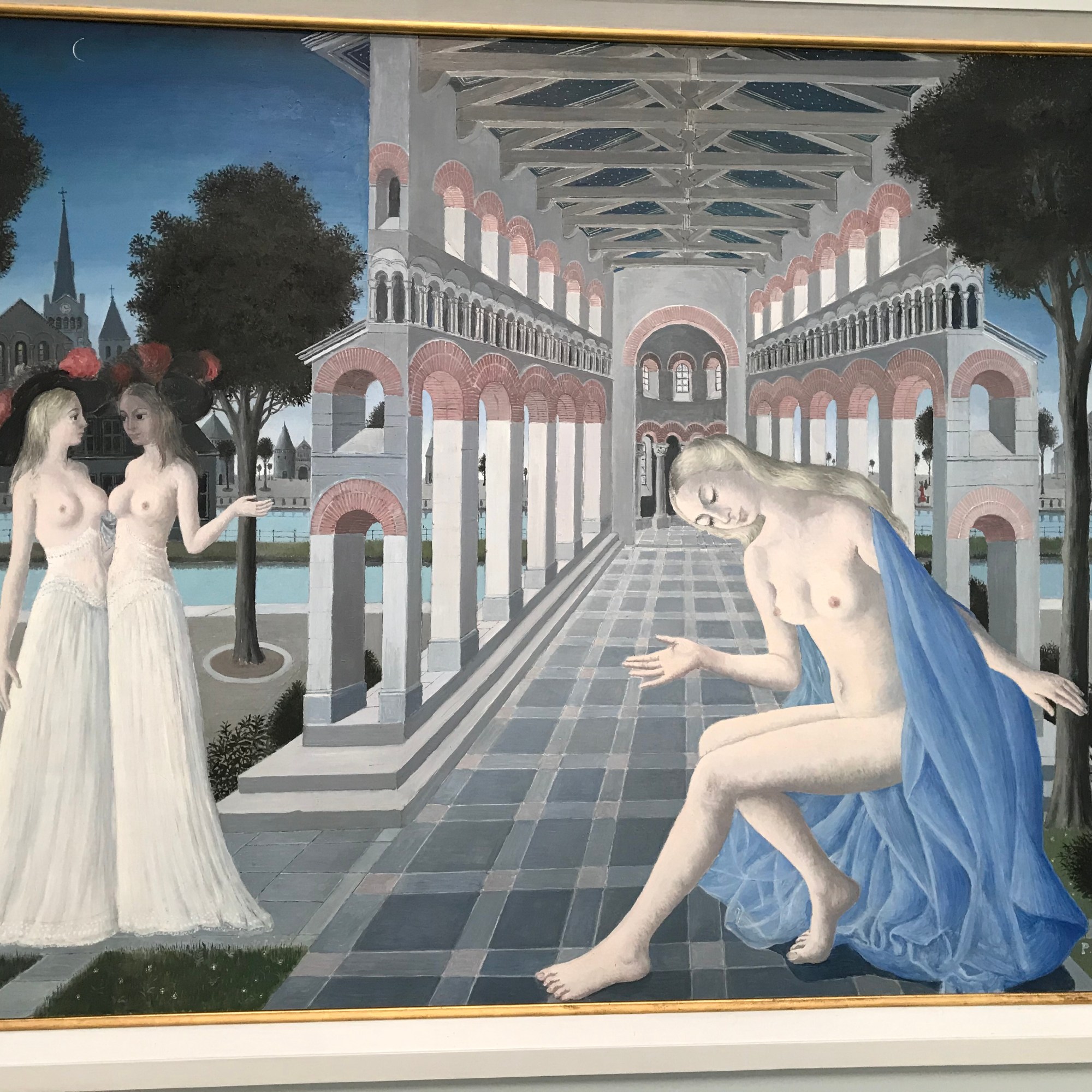


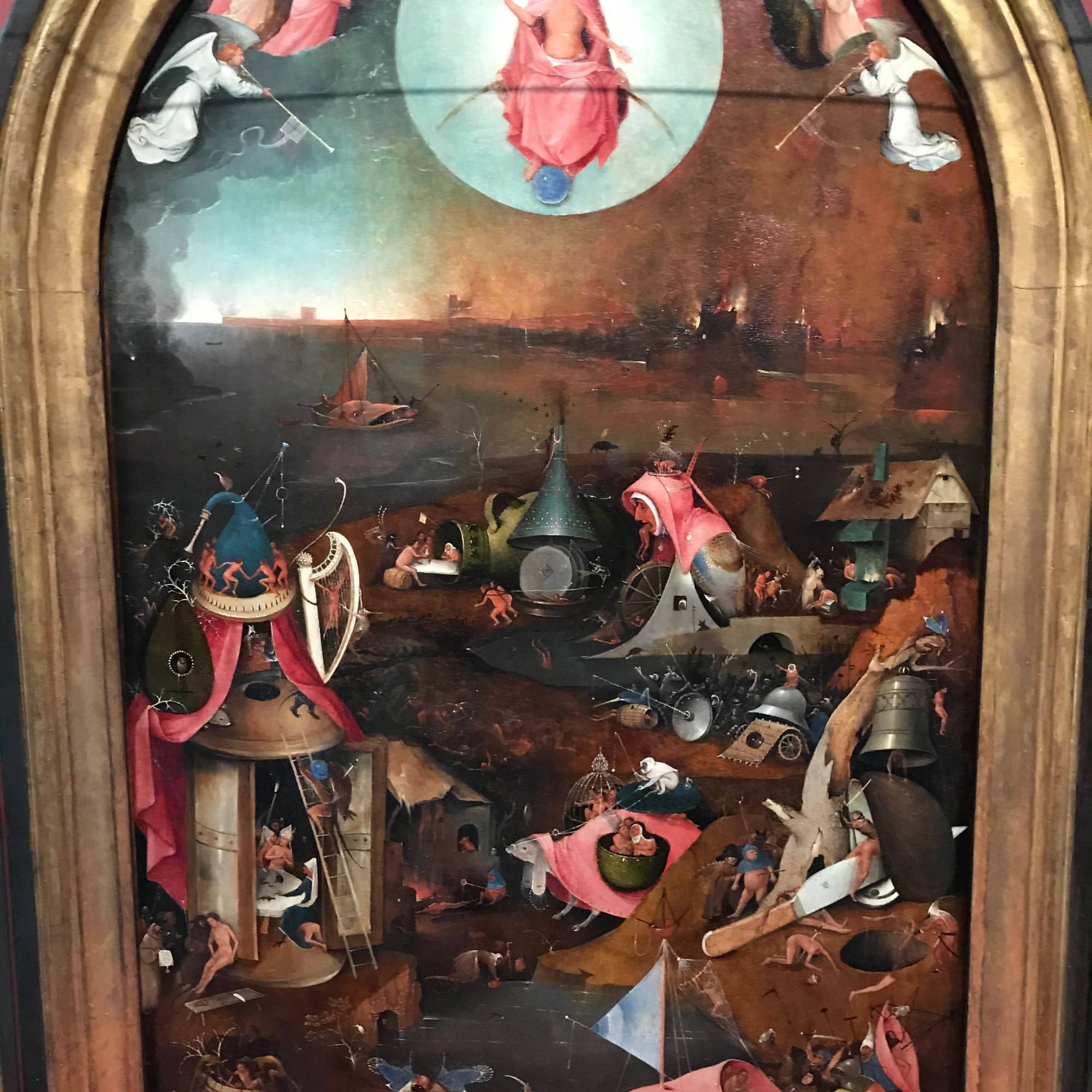
Among the collection of the Groeningemuseum we see a lot of references by other painters to the work of Jan van Eyck and other Flemish primitive painters like Hans Memling who also lived and worked in Bruges. We see references in the work by Paul Delvaux, Gustave van de Woestyne, James Ensor and Edmond van Hove. Many visitors also come to see the Last Judgement by Jheronimus Bosch.
The museum is rather small compared to other museum in Ghent, Brussels, Paris of London, but its intimate atmosphere is also its attraction. Its size makes for a balanced visit, and you can take your time for each painting in the musem without needing several days to cover the whole museum. A full morning or afternoon can satisfy any art lover.
The Groeningemuseum has put some of the videofragments of the exhibiton online. (only in Dutch)
The Groeningemuseum put a virtual 360° virtual tour online of the refurbished museum via this link.
As an official museum guide for Musea Bruges you can always contact me for a guided visit of the Groeningemuseum.
 chefmaison